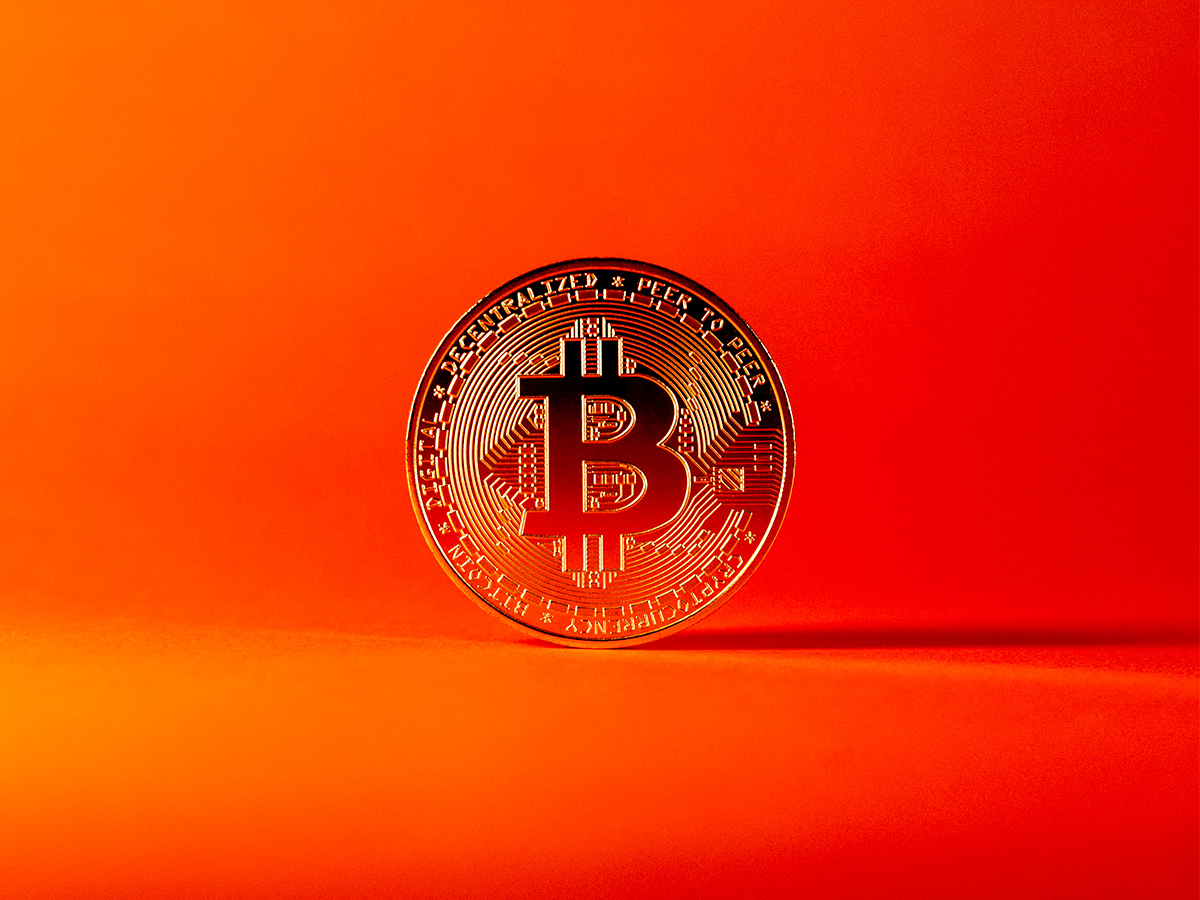
If you have even the slightest interest in finance or current events, you’ve likely noticed that Bitcoin has experienced a remarkable run. While it may be down from its recent highs, its value compared to its origins is still astronomical. That rise has turned people who were once ordinary, everyday citizens into millionaires and even billionaires. Whether they truly deserve that status is another debate entirely; what matters is that countless lives have been transformed by a largely abstract, highly decentralized form of currency.
Just a few weeks ago, I knew virtually nothing of Bitcoin. I’d heard of it in passing, but I didn’t really understand what it was, how it worked, or even how someone could buy and own it. Today, I’m far more informed, thanks to a steady diet of articles and late-night YouTube videos. As it turns out, buying and owning Bitcoin isn’t all that different from buying and owning any other speculative asset (gold, silver, art, derivatives). There are both simple and complex methods for doing it, and it’s the simpler (and somewhat simple) methods I’d like to share with you in this post.
I’m going to explain the how-tos as if you’re five years old. Not to be patronizing, but to keep things as clear and as accessible as possible. I’ll walk you through the buying and holding of Bitcoin as if you’re completely new to the space, because in truth, most people are. And even after you learn the basics, some parts can still feel intimidating.
To keep things intentionally straightforward, I’ll focus only on the easiest ways of purchasing and holding Bitcoin. I’ll resist the temptation of diving into formal definitions or into the broader world of cryptocurrency, as that quickly becomes overwhelming. By the end of this post, you should have a solid enough foundation to confidently buy your own Bitcoin.
Buy Bitcoin Through an ETF
Buying and storing Bitcoin can be a cumbersome experience. It’s easy to feel overwhelmed if you’re not comfortable working with long strings of letters and numbers, and there’s real risk involved in holding it yourself. Hackers and scammers lurk around every corner of the Bitcoin neighborhood, waiting for an opportunity to steal your investment. If you’re not interested in taking on the complexity and responsibility of purchasing and safeguarding Bitcoin outright, you may prefer to let someone else handle the heavy lifting. That’s where Bitcoin ETFs come into play.
One option you may encounter online is the iShares Bitcoin Trust ETF. This fund allows investors to gain exposure to Bitcoin without dealing directly with wallets, private keys, or storage security. iShares purchases and holds the Bitcoin on your behalf – all you have to do is buy shares of the ETF. Its ticker symbol is IBIT, so if you have a brokerage account with Schwab, E*Trade, or Fidelity, you can simply search for the ticker and purchase shares like you would any stock. It really is that easy.
Benefits of Buying & Holding a Bitcoin ETF
Read below to learn more about how straightforward and beneficial the ETF Bitcoin option really is.
Ease of Access
Bitcoin ETFs trade like stocks and can be bought in a regular brokerage account or retirement account (IRA/401k). No crypto wallet, private keys, or exchanges are required.
Security & Custody
You avoid the risk of losing private keys, hacks, or managing cold storage. The ETF’s custodian handles secure storage and insurance.
Regulatory Clarity
ETFs operate under traditional securities regulations, which may feel more familiar and transparent than crypto exchanges.
Tax Simplicity
Brokerages automatically track cost basis and generate tax forms, making reporting easier than managing multiple crypto transactions.
Liquidity & Trading Convenience
ETFs trade during market hours with standard order types (limit, stop-loss), margin availability, and easy integration into diversified portfolios.
Portfolio Compatibility
ETFs integrate smoothly with financial planning tools, rebalancing strategies, and advisor-managed accounts.
Trade-Offs
You don’t actually own Bitcoin or control custody, ETFs charge management fees, and tracking may slightly lag spot prices. You also can’t transfer ETF shares onto the blockchain or use them for payments or self-custody. This ETF does, however, offer a hedge against currency depreciation in high inflation environments.
Bottom Line
A Bitcoin ETF prioritizes convenience, security, and regulatory simplicity, while direct Bitcoin ownership prioritizes control, self-sovereignty, and blockchain utility.
If you’re reading this post and plan to explain to a less tech-savvy parent or friend how to gain exposure to the Bitcoin market, the simplest solution may be to have them purchase shares of this ETF. They likely already have a brokerage account, so the process is no different than buying shares of any other stock.
Buy Bitcoin Through an Exchange
This next option represents a step up on the self-sovereignty ladder when it comes to actually owning Bitcoin. By following this route, you truly own pieces of Bitcoin, along with all the responsibilities and freedoms that come with it.
Much like opening a brokerage account, you can take advantage of a cryptocurrency exchange such as Coinbase. Simply register for an account, search for your preferred cryptocurrency (Bitcoin or otherwise), and make a purchase. Once bought, the Bitcoin will remain in your account for as long as you wish. To me, this is the “middle” route – a step up from buying an ETF, which is fully managed by someone else, but not as hands-on as storing Bitcoin in a cold wallet (which we’ll discuss next). And just like the ETF option, this method is easy to explain to someone who isn’t particularly tech-savvy.
Benefits of Buying & Holding Bitcoin Through an Exchange (Coinbase)
Read below to learn more about the benefits of buying and holding Bitcoin through an exchange (e.g., Coinbase) vs. a Bitcoin ETF.
True Ownership of Bitcoin
You own actual Bitcoin, not shares of a fund. You can withdraw it to a personal wallet and retain full control over custody if you choose.
No Management Fees
Unlike ETFs, there are no ongoing expense ratios. Once purchased, you only pay trading and possible withdrawal fees.
24/7 Trading
Crypto markets operate around the clock, allowing you to buy, sell, or transfer Bitcoin anytime, not just during stock market hours.
Direct Exposure to Spot Price
You receive pure price exposure without tracking error from fund fees or operational friction.
Transferability & Utility
Bitcoin can be sent globally, used for payments, self-custody, collateral, or participation in future blockchain applications. ETFs cannot do these things.
Sovereignty & Censorship Resistance
Self-custody removes reliance on financial intermediaries and reduces exposure to account freezes or platform restrictions.
Trade-Offs
You’re responsible for security if you self-custody, taxes require more recordkeeping, exchanges carry counterparty risk, and mistakes (lost keys, wrong transfers) can be irreversible.
Bottom Line
Owning Bitcoin directly prioritizes control, flexibility, and network participation, while requiring greater responsibility and security awareness.
ETF shares are convenient and easy to own, but over time they can start to feel a bit boring, especially if you’re the kind of person who wants to make Bitcoin ownership more of a hobby or even a lifestyle. In that case, buying and holding Bitcoin directly through an exchange such as Coinbase is a logical next step.
Store Bitcoin In a Cold Wallet (Self-Custody)
This is where things start to get a bit more complicated. If you’ve already gained some exposure to Bitcoin through an ETF or purchased some via an exchange and now want the benefits of holding your Bitcoin offline, a cold wallet is what you’re looking for. It’s the ultimate in privacy and security, but it does require some technical know-how, and there are risks involved.
Briefly (since this isn’t a deep dive on cold wallets or crypto keys), a cold wallet is a physical, offline device – like a USB drive or even a paper wallet that stores your private crypto keys without any internet connection. As mentioned, there are both benefits and risks to storing Bitcoin this way, which I’ll outline below.
Benefits of a Bitcoin Cold Wallet vs. ETF or Exchange
These are the benefits of storing Bitcoin in a cold wallet versus an ETF or keeping coins on an exchange.
Maximum Security Control
Cold wallets store private keys offline, making them highly resistant to hacking, malware, phishing, and exchange breaches.
True Self-Custody & Ownership
You fully control your Bitcoin without relying on brokers, custodians, or third parties. No one can freeze, restrict, or rehypothecate your assets.
Elimination of Counterparty Risk
Your funds are not exposed to exchange insolvency, custodial failures, regulatory shutdowns, or platform outages.
Long-Term Preservation (“Digital Vault”)
Ideal for long-term holding, cold storage minimizes the temptation and risk of frequent trading or accidental exposure.
Global Portability & Censorship Resistance
Bitcoin can be accessed anywhere with your recovery phrase, enabling cross-border mobility and resilience during financial disruptions.
Privacy Advantages
Self-custody reduces data sharing with centralized institutions and limits third-party tracking of balances and transactions.
Trade-Offs
You are fully responsible for safeguarding recovery phrases, inheritance planning, and physical security. Lost keys mean permanent loss. Transactions require more steps and discipline.
Bottom Line
Cold storage prioritizes maximum security, sovereignty, and independence, making it best suited for serious long-term holders who value full control over their assets.
Think of a cold wallet the same way you’d think of a physical leather or Velcro wallet you carry in your purse or back pocket. A wallet holds cash and if you lose it, you lose your money. Crypto cold wallets work much the same way. They require careful attention when transferring Bitcoin in and out, and it’s critical that you never lose the device itself or the password needed to access it.
And there you have it – a beginner’s guide to the three most popular methods for buying and holding Bitcoin. If you’d like to learn more about any of these options, simply choose the one that interests you most and search for additional information online or explore it further with your favorite AI tool. In no time, you’ll have more information than you know what to do with.
If you have any questions, insights, or would like to add your two cents, feel free to drop a comment below. Thanks for reading!
